Online Gaming
Dewa Slot: The Convergence of Tradition and Technology in Modern Online Gaming
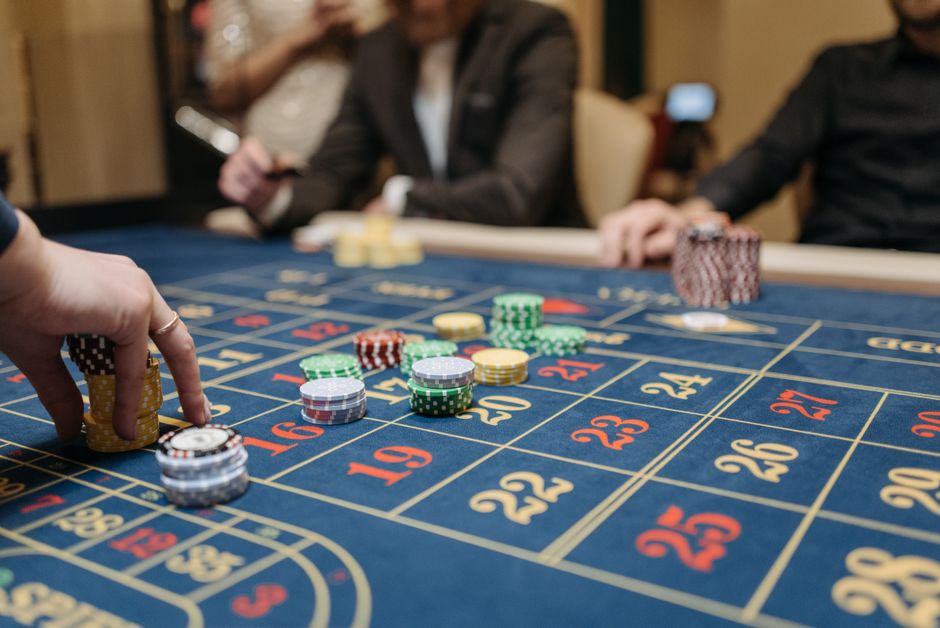
The term dewa slot has become a cornerstone in the lexicon of Southeast Asian online gaming, particularly within Indonesia and Malaysia. Etymologically rooted in the Sanskrit-derived word “dewa” (meaning “deity” or “god”), the phrase evokes a sense of supreme authority, luck, and celestial favor—qualities that players naturally seek when engaging with digital slot machines. This article examines the multifaceted phenomenon of dewa slot platforms, dissecting their technological underpinnings, cultural appeal, economic impact, and the regulatory challenges they present in an increasingly digitized gambling environment.
The Cultural and Psychological Genesis of Dewa Slot
Modern dewa slot platforms are not merely random number generators (RNGs) dressed in flashy graphics; they represent a sophisticated synthesis of behavioral psychology and local belief systems. In many Asian cultures, the concept of “dewa” is intertwined with the idea of karmic luck—a force that is both benevolent and capricious. Slot providers have cleverly integrated this cultural narrative into their user interfaces, employing motifs of mythical gods, golden gongs, and sacred animals. This cultural resonance lowers the psychological barrier to entry: a player is not just spinning reels but invoking a digital deity’s favor. Furthermore, the variable-ratio reinforcement schedule—where wins occur unpredictably—mimics the erratic nature of fortune, creating a compelling loop of anticipation and reward. Operators design these experiences to maximize “time on device,” using subtle audio cues like temple bells or gamelan orchestras to deepen immersion.
Technical Architecture and Fair Play Mechanisms
Behind the ornate visual front of any reputable dewa slot lies a rigorous technical infrastructure. The core of these systems is a certified Random Number Generator, typically based on algorithms like the Mersenne Twister or cryptographic hash functions. To maintain player trust, platforms are increasingly adopting blockchain-based provably fair systems. When a player accesses a dewa slot via the dewa slot portal, the outcome of each spin is cryptographically signed and verifiable against a server seed. This transparency is critical in a market where skepticism about rigged games runs high. Additionally, modern dewa slots use HTML5 technology, ensuring seamless play across devices—from desktop to mobile. Latency is minimized through Content Delivery Networks (CDNs) and WebSocket protocols, allowing real-time interaction even in regions with inconsistent internet connectivity. Data encryption via TLS 1.3 protocols protects financial transactions and personal information, a non-negotiable feature for platforms aiming for longevity.
Economic Dynamics and Market Expansion
The dewa slot industry has evolved from a niche online pastime into a significant economic engine. In Indonesia alone, where brick-and-mortar casinos are illegal, online slot platforms have filled a vacuum, generating substantial revenue for tech entrepreneurs and affiliate marketers. The business model typically centers on the “house edge” (usually between 3% and 8%), combined with aggressive player acquisition through social media influencers, SEO, and targeted ads. However, the economic footprint extends beyond mere gambling revenue. Developers in Eastern Europe and Latin America are hired to code the games; graphic artists in Japan design the anime-style characters; and call centers in the Philippines handle customer disputes. A single top-tier dewa slot platform can process hundreds of thousands of microtransactions daily, with payment gateways often utilizing cryptocurrencies like USDT or local e-wallets (GoPay, OVO) to bypass banking restrictions. This ecosystem supports thousands of jobs, from QA testers to compliance officers.
Regulatory Grey Zones and Player Protection Challenges
The meteoric rise of dewa slot platforms has outpaced the development of coherent regulatory frameworks. In jurisdictions like Thailand and Vietnam, slot machines remain illegal offline, yet online domains are accessible, creating a legal paradox. Many dewa slot operators register their companies in Curacao or Malta, obtaining remote gambling licenses that are not automatically enforceable in host countries. This regulatory arbitrage leaves players vulnerable to issues like payout delays, identity theft, or game manipulation. Responsible gambling features—such as deposit limits, self-exclusion lists, and reality checks—are inconsistently implemented. Some platforms use them as token gestures, while others embed mandatory cooling-off periods directly into the dewa slot interface to curb addiction. Yet, without unified cross-border regulation, the onus remains on the individual player to verify the platform’s encryption standards and payout history. Industry groups like the World Lottery Association have called for standardized API monitoring of RNG outputs, but adoption remains patchy.
Future Trajectories: AI, VR, and Social Gamification
Looking ahead, the dewa slot sector is poised for a paradigm shift driven by artificial intelligence and immersive technologies. AI algorithms now analyze player behavior in real time, adjusting game volatility and bonus frequencies to individual risk profiles—a technique known as “adaptive slot tuning.” While this can enhance engagement, it raises ethical questions about exploitation of vulnerable users. Virtual reality (VR) dewa slots are emerging in beta, where players can walk through a digital temple and physically pull a lever to spin. This adds a layer of haptic feedback and spatial presence that flat screens cannot replicate. Meanwhile, social gamification features—leaderboards, tournaments, and shared jackpots—are turning solitary spinning into a communal activity. These innovations will likely attract a younger demographic, but they also necessitate stronger age-verification mechanisms, such as government-ID-linked biometric logins. The dewa slot of tomorrow may also incorporate decentralized autonomous organizations (DAOs), where token holders vote on payout percentages or bonus game designs, further blurring the line between player and operator.
In conclusion, dewa slot represents a fascinating intersection of ancient cultural symbolism and cutting-edge digital architecture. Its enduring popularity is not accidental but engineered through deliberate design choices that tap into fundamental human desires for control, luck, and community. However, as the industry continues to expand beyond its regional roots, stakeholders—developers, regulators, and players alike—must confront the ethical implications of mixing venerated concepts of fate with commercial algorithms. Only through transparent governance and responsible innovation can the dewa slot phenomenon sustain its relevance without leaving a trail of social harm.